

Aspiring novelists often struggle with the same questions when they attempt to write fiction for the first time. Writers frequently hesitate because they cannot determine whether fiction begins with character, conflict, worldbuilding, or thematic direction. Some authors imagine vivid characters but struggle to understand what kind of conflict or narrative movement should surround them.
Many beginners assume there must be one universal structure that determines how all fiction should begin. Long-form fiction rarely emerges from a formula where every structural component is added step by step in isolation. The element that first generates momentum within a novel frequently shapes the direction of the entire manuscript.
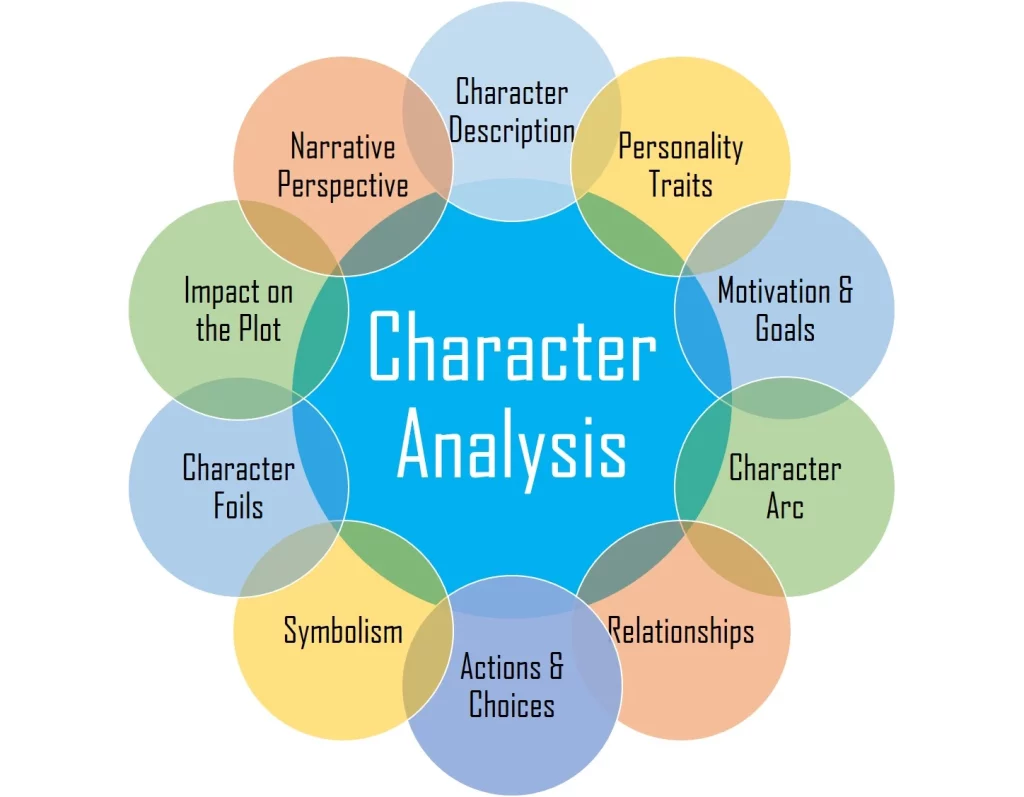
Many character-driven novels begin when a writer becomes deeply interested in how one individual responds to pressure, fear, or desire. In many novels, the social structure, historical condition, or cultural environment becomes the foundation from which narrative movement emerges. Some stories originate from unresolved questions concerning memory, guilt, violence, family, loneliness, or identity.
The initial source of narrative tension frequently shapes the emotional and structural direction of the entire manuscript. The same narrative situation can produce entirely different novels depending on what element first drives the structure forward. Understanding the origin of narrative momentum becomes one of the most important foundations of long-form fiction development.
Long-form storytelling requires a deeper structural relationship between character, world, conflict, and thematic tension. Character influences action, worldbuilding shapes possible choices, and thematic tension changes how events are interpreted throughout the story. Through this process, isolated inspiration begins transforming into a novel with direction, tension, and narrative continuity.
The origin of a story often shapes the structure, pacing, and emotional movement of the manuscript itself. Narrative inconsistency frequently appears when character, worldbuilding, and thematic tension fail to support one another properly. Writers often improve significantly once they recognize what narrative element is truly driving the manuscript forward.
Character-centered storytelling often begins when the writer becomes fascinated by how one individual responds to pressure, longing, or instability. Here, character is not simply a collection of traits, personality details, or descriptive information. The real narrative force comes from the choices the character continues making under emotional or structural pressure.
The importance of a scene often depends on how it affects the emotional structure of the protagonist. Narrative meaning changes according to the emotional relationship between the character and the event itself. Many literary novels become powerful because they focus on emotional consequence rather than external spectacle.
Some novels begin not through individual psychology, but through the social, political, historical, or cultural systems governing the fictional world. Worldbuilding in fiction does not simply mean fantasy settings, futuristic technology, or large-scale fictional universes. Characters always exist within systems that permit certain actions while limiting others, and these limitations shape narrative movement.
A fictional setting becomes convincing when its structure repeatedly affects scenes and character choices naturally. If the world functions only as decorative background, characters begin acting inconsistently and scenes lose structural weight. As writers begin understanding how character and worldbuilding interact, fiction gradually develops greater narrative depth and coherence.
Theme-driven fiction often develops when a writer becomes deeply interested in a particular tension concerning memory, violence, guilt, loneliness, family, identity, or desire. A literary theme is rarely effective when it exists only as explanation or abstract commentary. Thematic depth often appears when questions remain unresolved rather than fully explained.
Theme-centered fiction usually becomes weaker when characters exist only to represent the writer’s argument directly. Readers tend to disengage when fiction becomes overly didactic or predictable. Rather than delivering answers immediately, strong fiction often allows multiple characters to confront the same thematic tension from different emotional positions.
Questions become meaningful only when they are translated into scenes, choices, relationships, and emotional consequences. Thematic tension becomes convincing once it directly influences conflict, behavior, and emotional consequence. Because of this, strong literary fiction rarely separates theme from character or worldbuilding; instead, these elements gradually reinforce one another throughout the manuscript.
A novel cannot usually sustain itself through isolated ideas or disconnected scenes alone. Character choices influence how thematic questions appear, while the world determines what kinds of actions become possible or impossible. The manuscript gradually transforms from a collection of ideas into a structured literary work capable of sustaining long-form emotional and thematic tension.
Understanding this process changes how writers approach fiction development because the focus shifts away from finding a perfect formula and toward recognizing how narrative elements interact structurally. Different novels naturally require different forms of narrative balance depending on their structural origin. The study of fiction ultimately becomes the study of how narrative tension moves through people, environments, and unresolved questions simultaneously.
As writers continue developing fiction through character, worldbuilding, and thematic tension, they gradually begin understanding that novels are not built from isolated elements, but from relationships between those elements. Characters move within worlds shaped by rules, pressure, silence, institutions, and relationships, while thematic tension emerges through the consequences of their choices. Writers eventually realize that storytelling depends not only on creativity, but also on structural awareness and narrative balance.
A strong concept alone cannot sustain long-form fiction if the relationships between character, worldbuilding, and theme remain unstable. Long-form storytelling requires interaction between emotional movement, structural tension, and dramatic consequence. As writers begin identifying these imbalances during revision, the manuscript gradually becomes more focused, coherent, and structurally intentional.
The focus gradually shifts from isolated events toward narrative function and emotional consequence. Character decisions begin carrying greater weight once writers understand how those choices influence thematic tension and worldbuilding simultaneously. Long-form storytelling develops through the gradual organization of emotional, thematic, and environmental tension.
This process also explains why fiction writing is difficult to learn through theory alone without direct engagement with actual manuscripts. During the writing process, characters may stop functioning naturally, thematic tension may become overly explicit, or worldbuilding may remain disconnected from dramatic action. Because of this, revision, feedback, and repeated manuscript development remain essential parts of learning how fiction actually functions over time.
Some stories emerge through character psychology, others through social structure, and others through unresolved questions, yet all fiction ultimately depends on how these forces connect. The ability to recognize how narrative elements reinforce one another becomes one of the foundations of long-form literary development. Through this process, fiction evolves from scattered inspiration into a literary form capable of carrying character, world, conflict, and thematic complexity simultaneously.
소설쓰는법